
When Expansion Plans Meet Real-World Constraints
A recycling plant was preparing for its next stage of expansion.
The new production area was planned — but once the project moved from drawings to reality, one important challenge became clear:
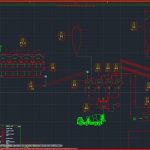
The existing layout had not accounted for the required material transfer to Station A-P1.
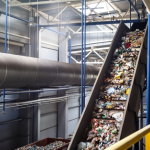
The recycled plastic needed to be transported from one section of the facility to another, but the available space, access routes and existing plant structure made a standard conveyor installation impossible.
This is where we stepped in.
First: understand the problem
Before proposing equipment, our engineering team studied the existing facility and the planned expansion.
We looked at:
- Available installation space
- Existing structures and access routes
- Material flow
- Transfer elevation
- Required conveying capacity
- Integration with the existing process
- Maintenance and accessibility requirements
The key requirement was clear:
Move the recycled plastic reliably to Station A-P1 without redesigning the entire expansion.
Our solution
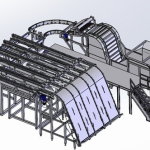
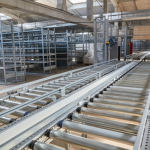
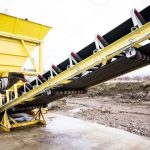
We engineered a dedicated conveyor system with:
1,200 mm belt width × 16.5 m conveying length
The conveyor was designed around the actual conditions of the facility rather than forcing the facility to adapt to a standard machine.
The result was a solution that could be integrated into the existing layout while maintaining a practical material flow between the process sections.
But there was another important part of the project:
The solution had to work for the client.
Engineering is not only about finding something that works technically.
It also has to work operationally, financially and practically for the customer.
We presented our proposed solution, discussed the installation concept and interfaces with the client, refined the approach based on their requirements, and reached an agreement on a solution that satisfied both the engineering constraints and the client’s expectations.
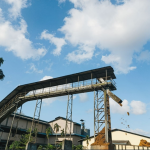
Then we built it.
From an overlooked layout requirement to a fully engineered conveying solution — another example of how we approach industrial projects.
From problem → to engineered solution
Site assessment → Layout study → Engineering → Proposal → Client alignment → Manufacturing → Installation → Integration
Because in real industrial projects, everything doesn’t always go according to the original drawing.
That’s when engineering matters most.
We don’t simply supply machines.
We find a way to make the process work.
From existing constraints to practical engineering solutions.